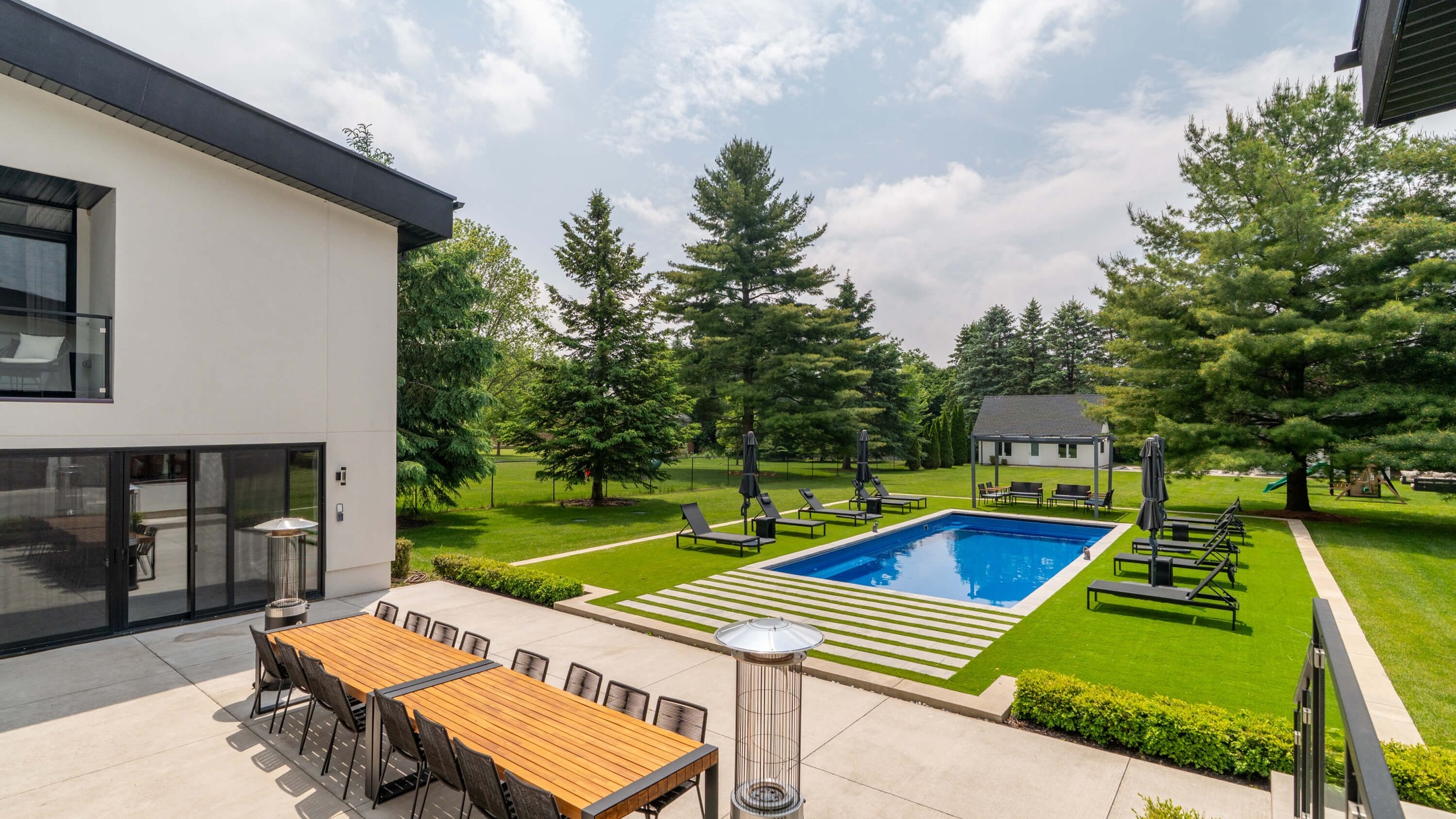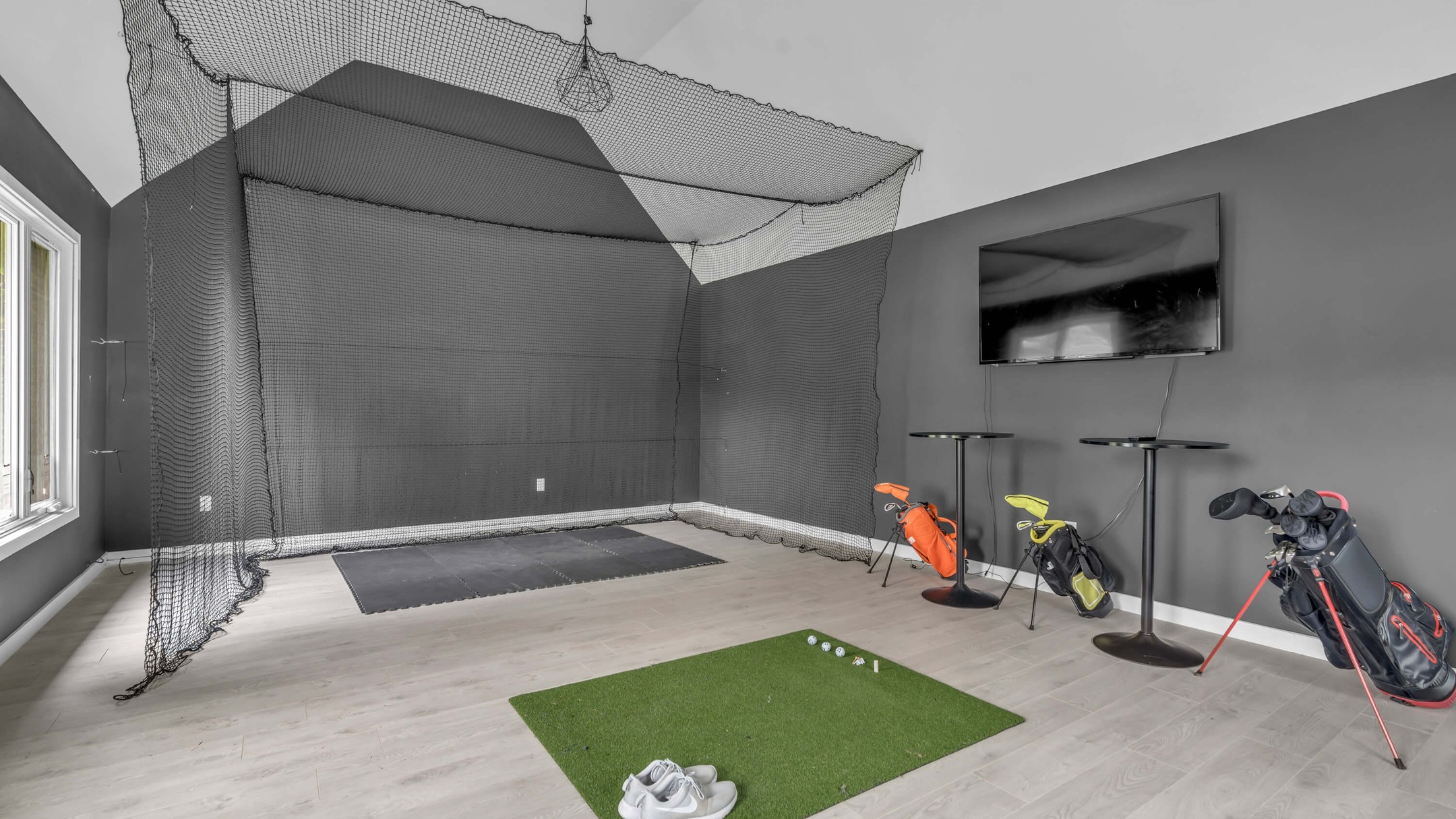
I work with investors as well as people buying a home to live in, and they're different jobs. An investment purchase lives or dies on the numbers, the tenant pool, and how you eventually get out, not on whether the kitchen photographs well. This page covers how I approach investment property in Cambridge and the Waterloo Region.
Why the Waterloo Region for a Rental
The Waterloo Region has a few things working in a landlord's favour: two universities in Waterloo that keep student rental demand steady, a technology employment base, direct Highway 401 access to the GTA, and prices that have historically sat below Toronto's. Within the region, Cambridge often offers better entry pricing than Kitchener-Waterloo for a comparable property.
None of that makes any single purchase a good investment on its own. It's the backdrop, and the specific deal still has to work on its own numbers.
The Numbers I Run Before You Offer
Before you make an offer on a rental, we work through the real operating picture, not just the list price versus a rent estimate:
If a deal only works when every assumption goes right, low vacancy, no major repairs, rents at the top of the range, it isn't really a deal. I'd rather tell you that early than help you into it.
- Purchase price against actual comparable rents in that neighbourhood, not optimistic ones.
- Cash flow after mortgage, property tax, insurance, utilities you cover, and condo fees if any.
- A vacancy and turnover allowance, and a maintenance and capital reserve.
- Property management cost if you plan to use one, or a realistic value on your own time if you self-manage.
- What the property is likely worth to the next buyer, and who that buyer is.
Property Types and What They Attract
Student rentals near the Waterloo campuses tend to show a higher gross yield but come with more turnover, more wear, and municipal licensing rules to follow. Legal duplexes and homes with a second self-contained unit spread your risk across two tenancies. Single-family homes in established family neighbourhoods usually yield less but attract longer, steadier tenancies. Condos and townhomes cut down on maintenance but the monthly fees take a bite out of the margin.
Which of these fits depends on how hands-on you want to be and how you're financing the purchase. We figure that out before we start looking, not after.
Make Sure the Second Unit Is Actually Legal
A lot of properties are advertised with an "in-law suite" or a basement apartment that has "been rented for years." That is not the same as a legal unit. Ontario now allows additional residential units on many properties, but the unit still has to meet the Ontario Building Code and Fire Code, and in many municipalities it has to be registered or licensed.
Before you count rental income from a second unit, I want to know whether it's legal, whether it can be made legal, and what that would cost. An illegal unit is a financing problem, an insurance problem, and a liability problem, not just a paperwork detail.
Purchase Plus Improvements
If a property needs work, whether that's adding a legal second unit or updating a tired house, a purchase plus improvements mortgage can fold the renovation cost into the mortgage based on the home's value after the work is done, rather than making you pay for it separately in cash.
It has rules: the work has to be quoted up front, funds are released after it's completed and inspected, and there are limits on how much you can add. Your mortgage broker sets the exact terms; my role is to spot the properties where this approach actually makes sense and help you plan the scope.
Managing It, or Not
You can self-manage or hire a property manager. A manager typically charges a percentage of collected rent plus a placement fee for finding tenants, and takes over screening, maintenance calls, and rent collection. Self-managing keeps that cost but it's a real job, especially with student turnover.
Either way, plan around Ontario's Residential Tenancies Act and the realities of the Landlord and Tenant Board: rent increase limits, the process and timelines for ending a tenancy, and how long disputes can take. Going in with clear expectations there prevents most of the surprises new landlords run into.
Building a Portfolio Over Time
Most investors I work with don't buy everything at once. They buy one property, let it season, refinance to pull equity back out, and use that toward the next one. That works better when you're dealing with one agent who already knows what you own, what your financing looks like, and what you're trying to build, so opportunities get filtered before they reach you.
On the sale side, remember that Canada has no like-kind exchange: selling a rental is a taxable event, and the principal residence exemption doesn't cover investment property. Loop in your accountant before you sell so the tax isn't a surprise.
You're Working With a Team
Turning a unit over, coordinating a renovation, or getting a property rent-ready is easier with support behind it. I work alongside a full team at Shaw Realty Group, Brokerage, including coordinators and trades contacts, so the practical side of getting a property producing income doesn't fall entirely on you.