As the days get longer and warmer across Cambridge and the Waterloo Region, the local market picks up right along with them. Every year, sellers ask me whether summer is really a good time to list, and every year my answer is the same: for the right property, priced right, summer is one of the strongest windows of the year. Here are the top 10 reasons why.
1. Longer Daylight Hours Mean More Showings
Longer days and warmer evenings mean I can fit more showings, and more evening showings specifically, into a single week than I ever could during the shorter days of fall or winter. Buyers who work full-time during the day get a real chance to see your home in good natural light without rushing straight from the office or squeezing a tour in before dinner, which tends to produce more relaxed, unhurried visits. That matters because buyers who aren't rushed spend more time in a home, notice more of what makes it work for them, and generally form a stronger impression than someone racing through a showing between other commitments. More available hours in the day also means less competition for showing slots among agents trying to book the same evening, so your home is more likely to get seen at the times when buyers are most receptive rather than squeezed into an already-packed Saturday.
2. Your Home Shows at Its Best
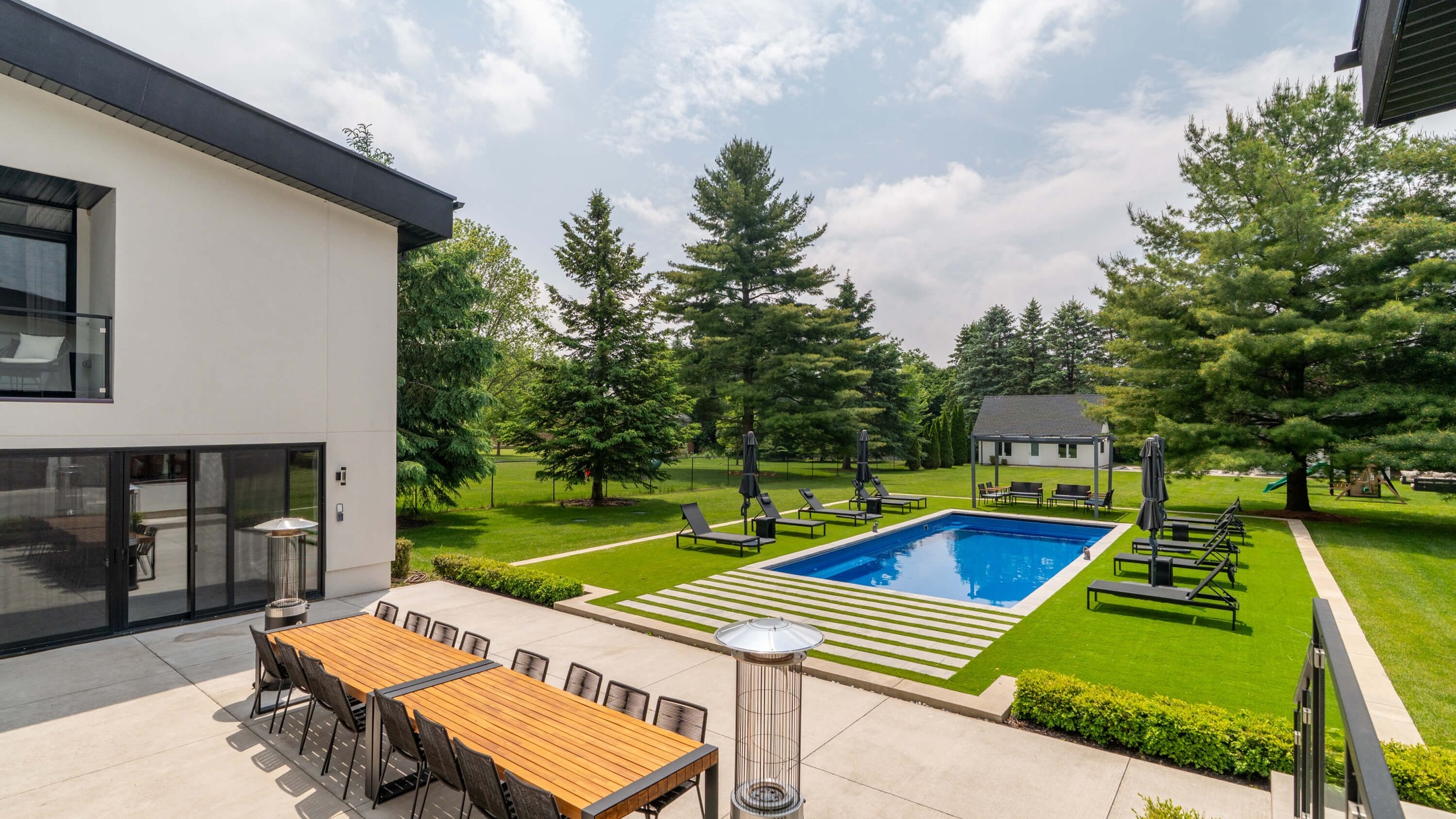
Lawns are green, gardens are in bloom, and if you've got a deck, patio, or pool, summer is when those features actually sell the lifestyle instead of just sitting under a tarp or buried under snow. Coming right after spring cleanup, most homes are genuinely in their best physical shape of the year to hit the market, with less to explain away and less that needs a buyer to use their imagination. Photography also benefits enormously from the season, bright natural light and full foliage photograph better than a bare, grey yard in March, and those photos are often a buyer's very first impression of your home before they ever book a showing. When your listing looks its best from the very first click, more buyers follow through and book a tour instead of scrolling past, which is exactly the kind of early momentum that leads to a stronger result once offers start coming in.
3. Families Are Racing the School Year
Listing in summer lets buyers complete their search and get fully moved in before the new school year starts in September, which creates a natural, external deadline that has nothing to do with anything I say or do as your agent. That deadline creates real urgency because families with kids genuinely don't want to switch schools mid-year, uproot friendships, or start September in a home they're still unpacking boxes in. So instead of browsing indefinitely or waiting for the perfect listing to appear, these buyers move with real purpose and are often ready to act quickly once they find a home that fits. That urgency tends to work in a seller's favour, motivated buyers are more decisive, less likely to nickel-and-dime a negotiation, and more willing to move on a competitive timeline once they've found the right property for their family before summer runs out.
4. Less Competition on the Ground in Some Pockets
Inventory doesn't disappear in summer, plenty of sellers still list through July and August, but in certain Cambridge neighbourhoods, fewer comparable listings hit the market at the same time compared to the usual spring rush. When that happens, your home stands out on its own merits instead of getting lost in a sea of nearly identical options competing for the same buyer's attention within the same few blocks. Less direct competition changes the whole dynamic of a listing, buyers who might have had five similar homes to compare in April may only have one or two in front of them in July, which shifts leverage back toward the seller. When that happens, it opens the door to pricing more competitively from the start and, in the right conditions, having multiple buyers competing for the same home rather than shopping around for a better deal down the street.
5. More Buyers Have Time to Look
A lot of buyers take vacation time in summer, which translates directly into more availability for weekday showings and open houses instead of everything being squeezed into a single Saturday afternoon like it often is the rest of the year. That extra flexibility matters more than it sounds, a buyer who can only view homes on weekends is competing for the same narrow window as every other buyer in the market, which limits how many serious showings your home actually gets. When buyers have time off during the week, they can move faster between seeing a home, thinking it over, and coming back for a second look, which shortens the whole decision-making process on their end. More available buyers throughout the week means more total traffic through your door over the life of the listing, and more traffic, spread across more days, generally leads to a stronger and faster result.
6. Waterloo Region's Tech and Education Sectors Move on a Summer Clock
Between the University of Waterloo, Wilfrid Laurier, and the region's large tech employers, a lot of relocations and job transfers land specifically in the summer months, timed around new roles and academic terms starting in the fall. That creates a steady, reliable source of motivated, often out-of-town buyers searching Cambridge specifically because of the commute into Kitchener-Waterloo, rather than buyers just browsing casually with no particular timeline. These buyers tend to move faster than average because they're usually working against a start date, a lease expiring elsewhere, or a family trying to settle in before school begins, which lines up neatly with the same summer window that already favours sellers. Because this pattern repeats every year rather than being a one-off trend, it's one of the more dependable reasons summer holds up as a strong selling season specifically in this region, not just nationally.
7. Moving Day Is Just Easier
No ice on the driveway, no shoveling a path for the movers, no last-minute worrying about a snowstorm pushing your closing date or stranding a moving truck on the highway. Summer moves are simply more predictable from start to finish, and that predictability matters more than people expect when you're coordinating a closing, a moving company, and often a second move on the buy side happening at nearly the same time. Weather-related delays during a winter closing can cascade into missed appointments, rescheduled movers, and a lot of unnecessary stress for a seller who's already juggling enough. Summer removes most of that uncertainty from the equation entirely, giving both sides more confidence that a closing date will actually hold as scheduled. For sellers who are also buying their next home at the same time, that reliability on both ends of the transaction is worth more than it might seem on paper.
8. Your Comparables Are Fresh
By summer, we've usually got a full spring's worth of closed sales to price against, real comparables in your specific pocket of Galt, Preston, or Hespeler, rather than guessing off a slower winter market with only a handful of relevant sales to draw from. That makes it easier to price your home accurately from day one instead of listing on a hunch and chasing the market downward with reductions after it sits too long. Fresh comparables also give buyers and their agents more confidence in a listing price, when the recent sales data clearly supports where a home is priced, there's less room for a buyer to argue it down during negotiations. Pricing accurately from the very first day, backed by current data rather than outdated comparables from months earlier, is one of the biggest factors in how quickly a home sells and how close the final price lands to asking.
9. Buyers Can Picture Themselves Living There Right Away
It's a lot easier for a buyer to imagine summer barbecues on your patio when they're touring it in July than when they're picturing it buried under snow with the barbecue put away for the season. Outdoor living space, patios, decks, pools, mature gardens, photographs and shows better in summer than in almost any other season, which matters most for homes where the backyard is genuinely one of the selling features rather than an afterthought. Buyers form emotional attachments to homes far more than most people expect going into a sale, and summer makes it easier to trigger that reaction the moment they walk through the door or scroll past your listing photos online. When a buyer can picture their own life happening in a space, rather than having to imagine past a season that hides a home's best features, they tend to move faster and with more genuine enthusiasm.
10. You Can Close Before the Fall Market Gets Crowded
September and October tend to bring a real wave of new listings back onto the market after the usual summer lull, as sellers who held off during vacation season all decide to list around the same time once school starts back up. Listing and closing in summer means you're not competing with that fall inventory bump for the same pool of buyers, your home gets its moment in front of buyers before the market gets noticeably more crowded again. It also means you're not still carrying two properties, or a bridge loan, deeper into the busier fall season while waiting on a sale to close. Getting ahead of that seasonal shift, rather than listing right as it happens, tends to work in a seller's favour on both timing and price, since buyers still have fewer comparable options to weigh your home against before the fall rush truly begins.